AD PLACEMENT
Mt Rinjani in Lombok An Adventurers Guide

AD PLACEMENT
Mt Rinjani in Lombok beckons adventurers with its breathtaking beauty and challenging climbs. This guide dives deep into the volcanic majesty, exploring everything from the challenging trekking routes to the cultural significance of this iconic Indonesian peak. Discover the unique ecosystem, local communities, and essential tips for planning your own Rinjani adventure.
Mount Rinjani in Lombok is a breathtaking sight, known for its challenging hikes and stunning views. But beyond the iconic mountain itself, there’s a hidden gem – the Rinjani Mountain Garden. This incredible area offers unique plant life and trails, showcasing the diverse flora and fauna surrounding Mt. Rinjani. Exploring this area truly enriches the overall experience of visiting Mount Rinjani in Lombok.
rinjani mountain garden is definitely worth a visit if you’re planning a trip.
From the vibrant landscapes to the rich history woven into the mountain’s fabric, Mt Rinjani offers an unforgettable experience for trekkers of all levels. This comprehensive guide will equip you with the knowledge to navigate the trails, appreciate the surrounding environment, and fully immerse yourself in the spirit of Lombok.
AD PLACEMENT
Introduction to Mount Rinjani: Mt Rinjani In Lombok
Mount Rinjani, a majestic volcano, dominates the landscape of Lombok, Indonesia. Located in the heart of the island, it stands as a significant landmark, both geographically and culturally. Its imposing presence and challenging terrain attract adventurers and nature enthusiasts alike.
Elevation, Geographic Features, and Surroundings
Mount Rinjani reaches an elevation of 3,726 meters (12,224 feet) above sea level. Its caldera is a significant feature, offering a unique and diverse environment. The surrounding landscape varies from lush rainforests at lower elevations to open savannas and alpine meadows higher up the slopes. The caldera itself contains a smaller crater lake, contributing to the mountain’s dramatic scenery.
Historical and Cultural Context
Mount Rinjani holds deep cultural significance for the local communities of Lombok. It’s revered in traditional beliefs and folklore, often associated with spiritual significance. Various rituals and ceremonies are conducted in connection with the mountain, reflecting the deep respect and connection the people of Lombok have with this natural wonder.
Trekking Routes, Mt rinjani in lombok
Several well-defined trekking routes ascend Mount Rinjani, catering to different levels of experience and fitness. The most popular routes offer varying degrees of difficulty, from relatively straightforward ascents to more challenging options requiring considerable stamina and preparedness.
AD PLACEMENT
- The Sembalun route is a popular choice known for its scenic beauty and relatively easier ascent compared to other routes.
- The Senaru route is another popular option, offering diverse landscapes and challenging climbs.
- The Torean route, though less common, provides a unique experience with a different set of challenges and rewards.
Trekking Experiences on Mount Rinjani
The trekking experience on Mount Rinjani is shaped by the chosen route and the trekker’s physical condition. The journey can be exhilarating, but also demanding. Proper preparation is essential for a safe and enjoyable ascent.
Typical Trekking Experience
The experience varies based on fitness levels. Experienced hikers might tackle the trails more swiftly, while less experienced trekkers will find the ascent more challenging. Regardless, all trekkers will experience the changing landscapes and the awe-inspiring views.
Also Read: Bali Nusa Dua Hotels Your Perfect Paradise
Essential Equipment and Supplies
Essential equipment for the trek includes sturdy hiking boots, layers of clothing (for varying temperatures), a backpack, a first-aid kit, sunscreen, and a hat. Sufficient water and high-energy snacks are also crucial.
Challenges and Rewards of Routes

Each route presents unique challenges. The Sembalun route, for instance, might have more gradual inclines, but the Senaru route offers stunning views. The rewards of reaching the summit include panoramic vistas of Lombok and a sense of accomplishment.
Camping Options
Several camping sites are available at various points along the trekking routes. The choice depends on the trekker’s preferences and budget. Camping sites usually provide basic amenities like toilets and water sources.
Potential Dangers and Safety Precautions
Potential dangers include altitude sickness, exhaustion, and weather changes. Safety precautions include acclimatizing to the altitude, carrying sufficient water, and monitoring the weather forecast.
Local Communities
Local communities play a vital role in the trekking experience, offering guidance, hospitality, and local insights. Respecting their traditions and customs is essential for a positive interaction.
Accommodation and Services near Mount Rinjani
Accommodation Options
| Accommodation | Price Range (USD) | Amenities | Distance from Start Point (approx.) |
|---|---|---|---|
| Hotel A | $50-$150 | Wi-Fi, restaurant, swimming pool | 10km from Sembalun |
| Homestay B | $20-$50 | Basic rooms, local cuisine | 5km from Senaru |
| Guesthouse C | $30-$80 | Private rooms, hot showers | 15km from Torean |
Local Guides, Porters, and Services
Guides and porters are readily available to assist trekkers. They can provide valuable insights into the local culture and terrain, making the journey safer and more comfortable.
Services Comparison
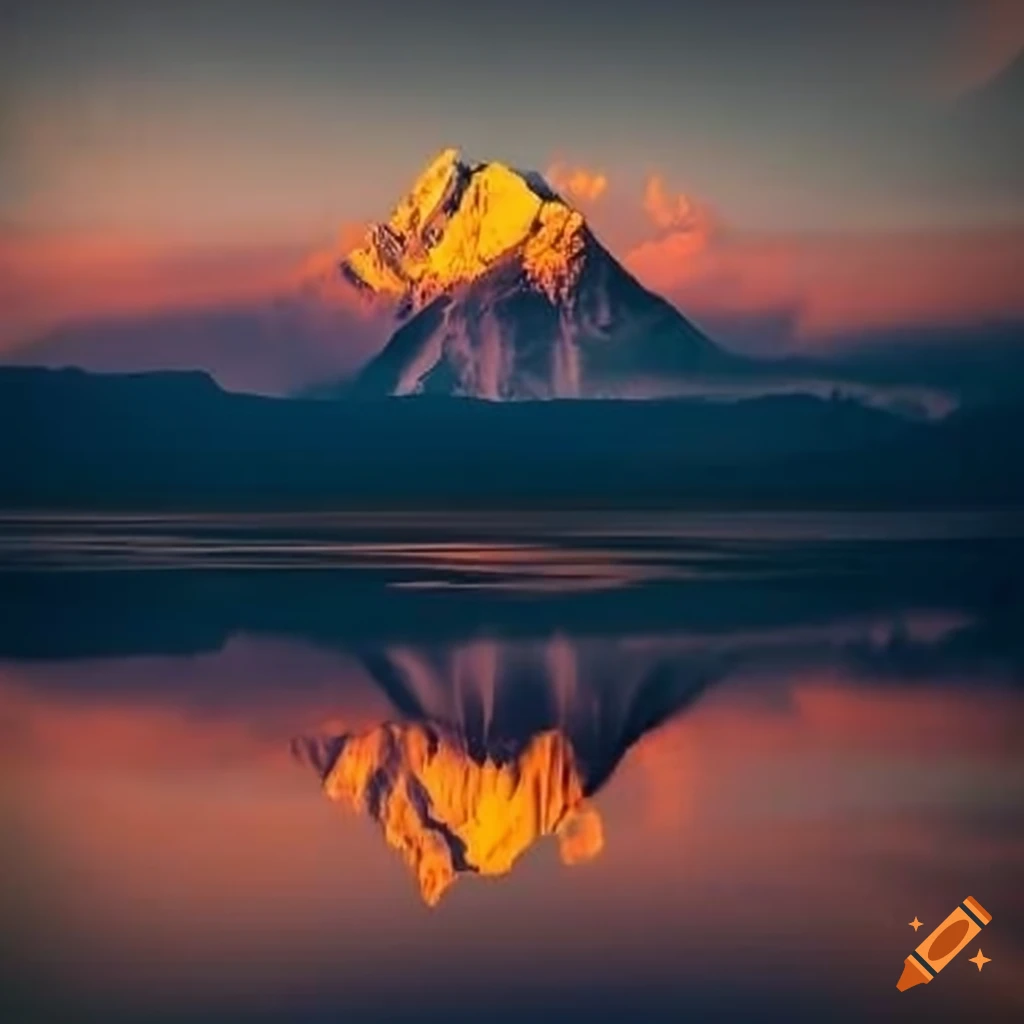
Source: craiyon.com
| Service Provider | Services Offered | Price Range (USD) |
|---|---|---|
| Guide A | Trekking guidance, local knowledge, first aid | $50-$100/day |
| Porter B | Carrying luggage, assistance with camping | $20-$30/day |
Food and Water

Source: elpais.com
Food and water are available at various points along the trekking routes. It’s recommended to carry some supplies for the initial part of the journey.
Local Customs and Etiquette
Respecting local customs, including dress code, is crucial for a positive experience.
Epilogue
Source: npr.org
Embarking on a trek up Mt Rinjani in Lombok is a journey into a world of natural wonders and cultural immersion. This guide has provided insights into the mountain’s grandeur, the challenges and rewards of trekking, and the importance of respecting the local environment and communities. Remember to plan meticulously, prioritize safety, and cherish the experience of connecting with this remarkable Indonesian landmark.
General Inquiries
What is the best time to visit Mt Rinjani?
The dry season, typically from April to October, offers the best trekking conditions with clear skies and minimal rainfall.
What permits are required for climbing Mt Rinjani?
A climbing permit is required and can be obtained from the local authorities. Detailed information is available at the relevant tourist agencies.
What are the common challenges faced during the trek?
Altitude sickness, uneven terrain, and potential weather changes are common challenges. Proper acclimatization and preparedness are crucial.
AD PLACEMENT

Hi, I'm Abuha. I'm a blogger from Indonesia, traveling and adventure to various tourist attractions is my hobby.



 Culinary
 Indonesia
 Malaysia
 Tips
Tips


AD PLACEMENT