AD PLACEMENT
Mount Rinjani Temperature A Hikers Guide

AD PLACEMENT
Mount Rinjani temperature is a crucial factor for any hiker planning a trip to this majestic Indonesian volcano. Understanding how temperature varies throughout the year, with elevation, and during the day is essential for a safe and enjoyable experience. This guide dives deep into the fascinating world of Mount Rinjani’s thermal landscape, offering insights into average highs and lows, seasonal fluctuations, and the impact of weather patterns.
From the scorching sun on the lower slopes to the biting chill at higher altitudes, this comprehensive exploration will equip you with the knowledge to pack appropriately and prepare for the diverse temperature conditions you’ll encounter on your journey. We’ll also look at historical data and how it can help predict future temperatures.
Mount Rinjani Temperature Overview
Mount Rinjani, a majestic volcano in Lombok, Indonesia, boasts diverse temperature variations throughout the year, influenced by altitude, season, and time of day. Understanding these fluctuations is crucial for planning a safe and enjoyable hiking experience. This article provides a comprehensive overview of the temperature patterns on Mount Rinjani.
Temperature Variations Across the Year
The temperature on Mount Rinjani fluctuates significantly depending on the time of year. The dry season, typically from April to October, experiences warmer days and cooler nights. The wet season, from November to March, sees higher humidity and a general decrease in daytime temperatures, but nights can be cold.
AD PLACEMENT
| Elevation (m) | Month | Average High (°C) | Average Low (°C) |
|---|---|---|---|
| 1,000 | April | 28 | 18 |
| 1,000 | August | 27 | 15 |
| 2,000 | January | 25 | 12 |
| 2,000 | June | 28 | 16 |
| 3,000 | October | 23 | 10 |
| 3,000 | February | 22 | 8 |
Seasonal Temperature Differences
Source: npr.org
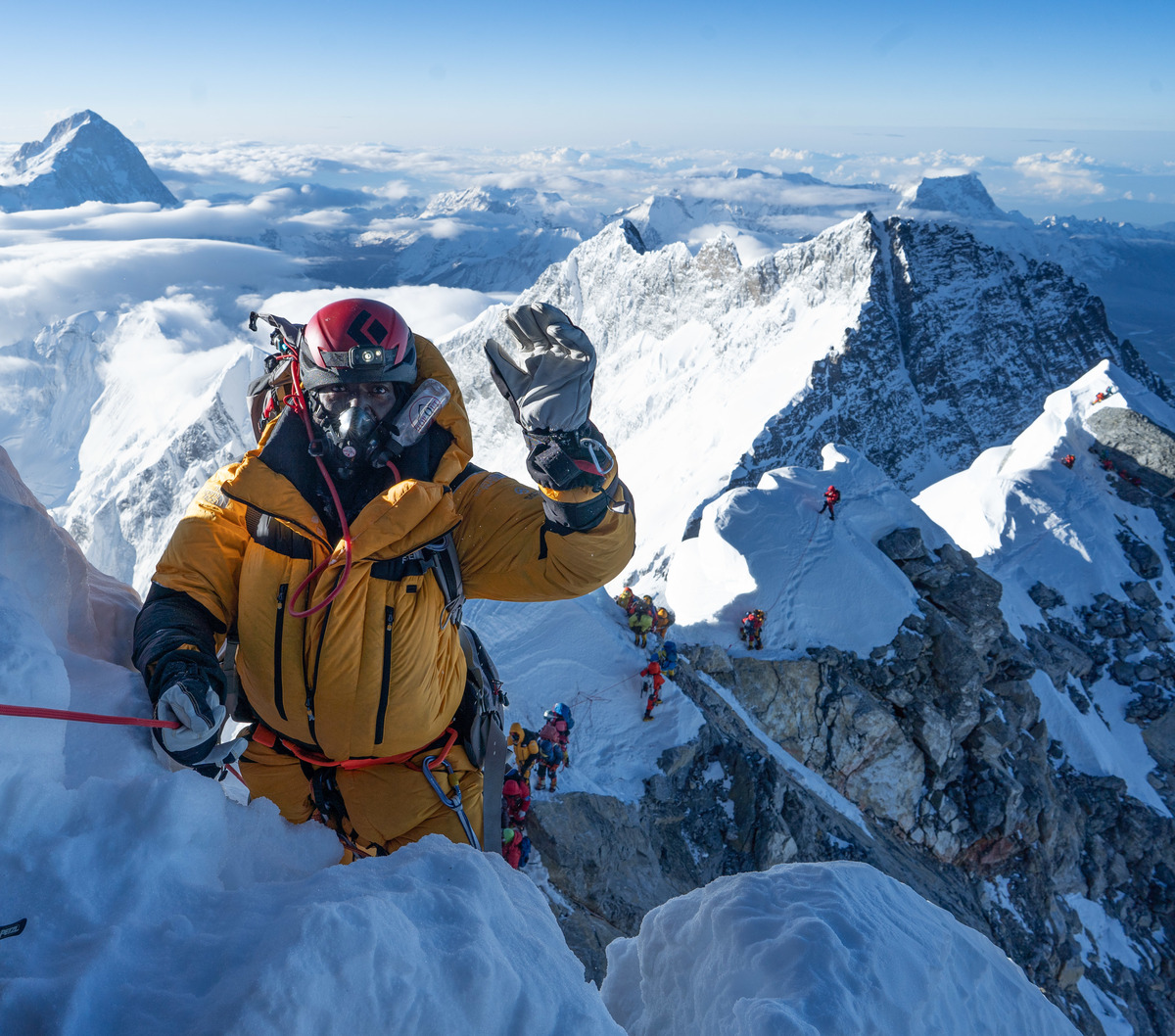
The dry and wet seasons bring distinct temperature patterns. During the dry season, higher daytime temperatures and lower humidity contribute to comfortable hiking conditions, but the nights can get chilly, especially at higher altitudes. The wet season, with its increased cloud cover and potential for rain, sees cooler average temperatures. The peak tourist season, often during the dry season, witnesses higher average temperatures compared to the off-season, which can be noticeably cooler.
The temperature variations significantly affect hiking conditions. Hikers should be prepared for potential changes in temperature throughout the day and across different elevations.
AD PLACEMENT
Elevation and Temperature Relationship, Mount rinjani temperature

Temperature on Mount Rinjani decreases with increasing elevation. The rate of temperature decrease is approximately 0.6°C per 100 meters of ascent. This means that the higher you climb, the colder it will get. Acclimatizing to the changing temperatures is crucial for a safe and comfortable hike.
| Elevation (m) | Predicted Temperature (°C) | Expected Conditions |
|---|---|---|
| 1,000 | 25-28°C | Warm and sunny |
| 2,000 | 18-22°C | Cool and partly cloudy |
| 3,000 | 10-15°C | Cold and windy, potential for cloud cover |
Temperature Variations During the Day
Daily temperature fluctuations on Mount Rinjani are noticeable. Morning temperatures are typically cooler, warming up significantly during the afternoon. As the sun sets, temperatures drop again, often becoming quite chilly in the evenings.
AD PLACEMENT
| Time of Day | Average Temperature (°C) |
|---|---|
| Sunrise | 12-15°C |
| Afternoon | 20-25°C |
| Sunset | 10-15°C |
Impact of Weather Patterns on Temperature
Weather patterns like cloud cover and wind significantly impact the perceived temperature on Mount Rinjani. Cloud cover reduces the amount of direct sunlight, leading to cooler temperatures. Wind can make the temperature feel much colder than the actual air temperature.
| Weather Pattern | Impact on Temperature |
|---|---|
| Cloud Cover | Reduces temperature, especially during the day |
| Wind | Increases the perceived chill |
| Rainfall | Significant drop in temperature and increased humidity |
Historical Temperature Data
Source: offgridweb.com
Mount Rinjani’s temperature varies significantly with altitude. It can be quite pleasant in the lower slopes, but as you ascend, the temperature drops considerably. If you’re planning a trip to the mountain, checking out the flora and fauna at the rinjani mountain garden will give you a great idea of what to expect temperature-wise at different elevations.
Ultimately, packing layers is key to staying comfortable throughout your Rinjani adventure.
Historical temperature data shows a general trend of fluctuating temperatures over the years. More detailed data is needed to draw specific conclusions.
Temperature-Related Hiking Considerations
Dress in layers to adapt to the varying temperatures throughout the day and across different elevations. Essential gear includes a waterproof jacket, warm layers, and comfortable hiking shoes. Be prepared for potential altitude sickness and ensure you stay hydrated throughout your hike.
Mount Rinjani’s temperature varies dramatically, especially as you ascend to the rinjani peak. Expect cooler temperatures at higher altitudes, potentially even experiencing a chilly breeze on the peak. Overall, the temperature on Mount Rinjani is best described as a pleasant, but variable, experience throughout the ascent.
Final Conclusion
In conclusion, Mount Rinjani’s temperature is a dynamic interplay of altitude, season, time of day, and weather patterns. By understanding these factors, you can better prepare for your trek and ensure a safe and comfortable experience. Remember to check the latest forecasts before heading out and pack layers to adjust to the changing conditions. Enjoy the adventure!
Question Bank: Mount Rinjani Temperature
What’s the average temperature at the summit of Mount Rinjani?
The average temperature at the summit of Mount Rinjani varies significantly throughout the year. It’s generally much cooler than the lower elevations, often experiencing temperatures below freezing, even during the warmer months.
How does the wet season affect the temperature on Mount Rinjani?
The wet season brings increased cloud cover and rainfall, which can significantly lower temperatures, especially at higher elevations. Be prepared for sudden changes in weather and pack accordingly.
What’s the best time to hike Mount Rinjani for optimal temperature conditions?
The dry season, typically from April to October, is generally considered the best time to hike Mount Rinjani for optimal temperature conditions. The lower humidity and consistent sunshine make it a more pleasant experience.
AD PLACEMENT

Hi, I'm Abuha. I'm a blogger from Indonesia, traveling and adventure to various tourist attractions is my hobby.



 Culinary
 Indonesia
 Malaysia
 Tips
Tips



AD PLACEMENT