AD PLACEMENT
Mount Rinjani Hike Your Epic Adventure Awaits

AD PLACEMENT
Mount Rinjani hike promises an unforgettable adventure. Prepare for breathtaking views, challenging trails, and cultural immersion. This journey through Indonesia’s volcanic landscape offers a unique opportunity to connect with nature and local communities.
From meticulous planning and essential gear to navigating the trail and respecting local customs, this comprehensive guide will equip you with the knowledge and confidence to conquer Mount Rinjani. Discover the beauty of this Indonesian gem and create lasting memories.
Introduction to Mount Rinjani Hike
Mount Rinjani, an active volcano in Lombok, Indonesia, offers a challenging yet rewarding hiking experience. Its towering presence and dramatic landscapes attract adventurers seeking a unique journey through diverse ecosystems. This article provides a comprehensive guide to preparing for and undertaking a Rinjani hike, encompassing historical context, trail options, necessary permits, and essential considerations for a safe and enriching experience.
Summary of the Mount Rinjani Hike
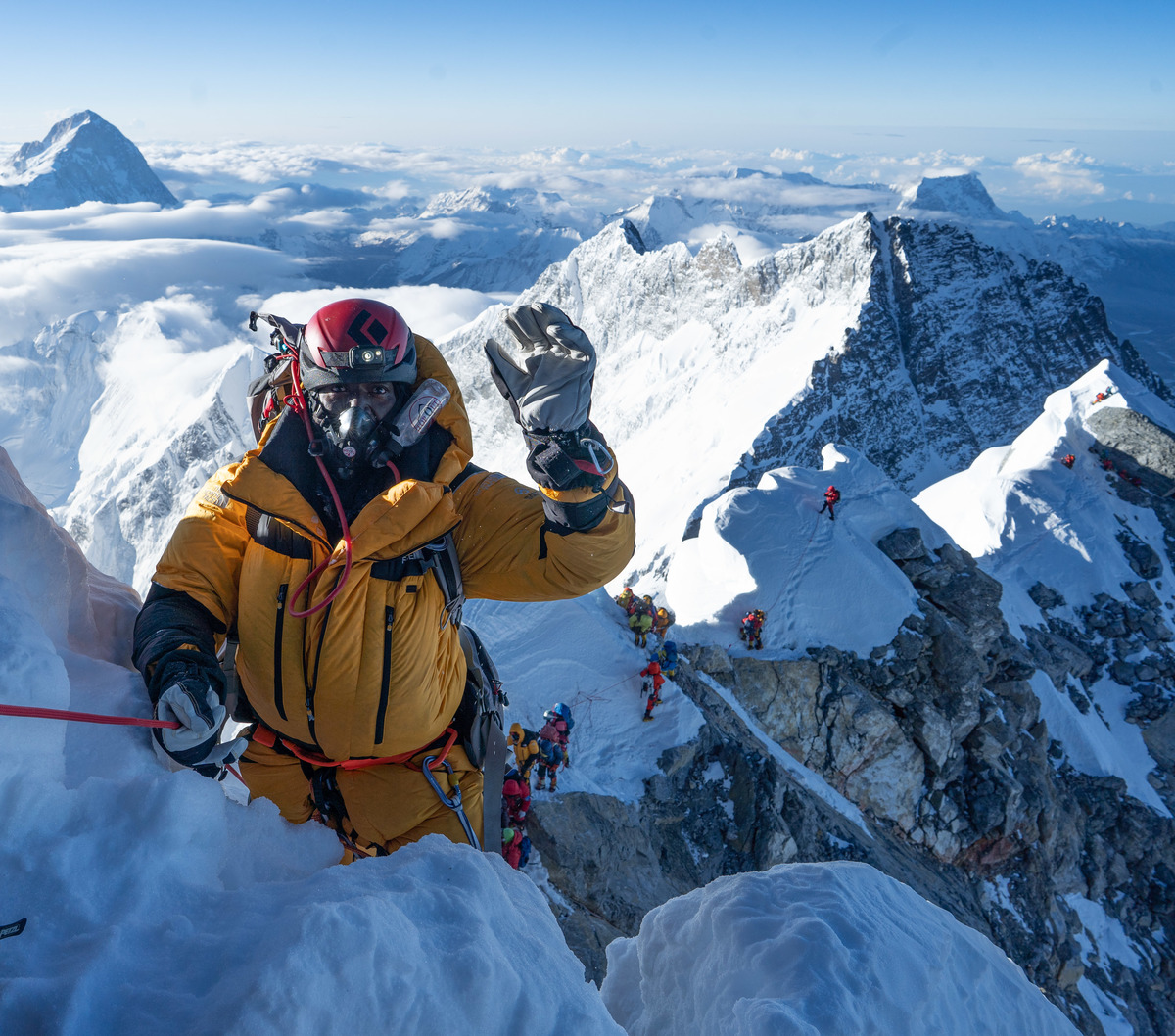
The Mount Rinjani hike is renowned for its varied terrain, from lush rainforests to volcanic peaks. Hikers encounter stunning vistas, diverse flora and fauna, and the cultural richness of the surrounding villages. The journey’s significance lies in experiencing the beauty of nature, the challenges of physical exertion, and the interaction with local communities.
History and Cultural Importance

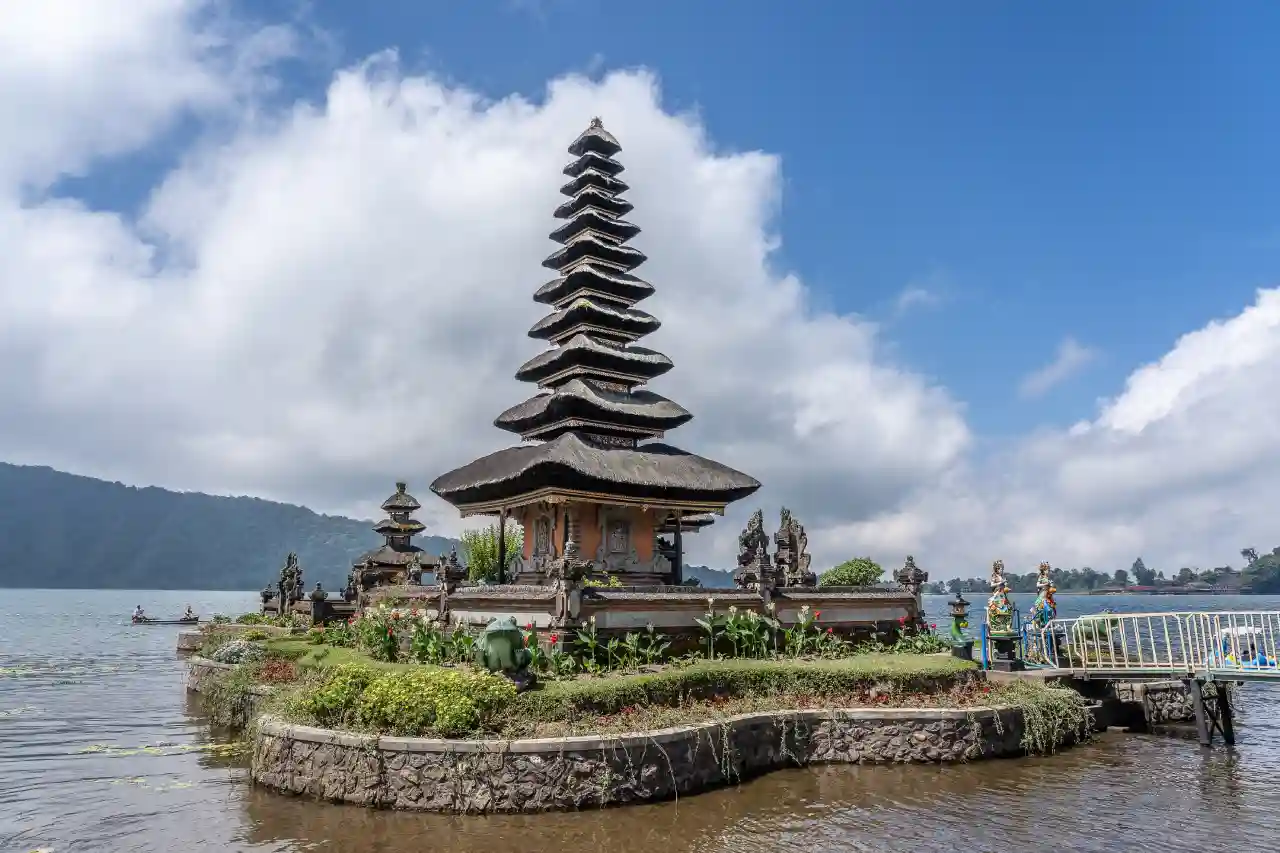
Source: promediateknologi.id
AD PLACEMENT
Mount Rinjani’s history is intertwined with the local Sasak people, who have revered the mountain for centuries. Traditional ceremonies and practices are still observed in the surrounding villages, demonstrating the mountain’s deep cultural significance. Understanding these customs allows hikers to appreciate the mountain’s spiritual and historical value.
Trails and Routes
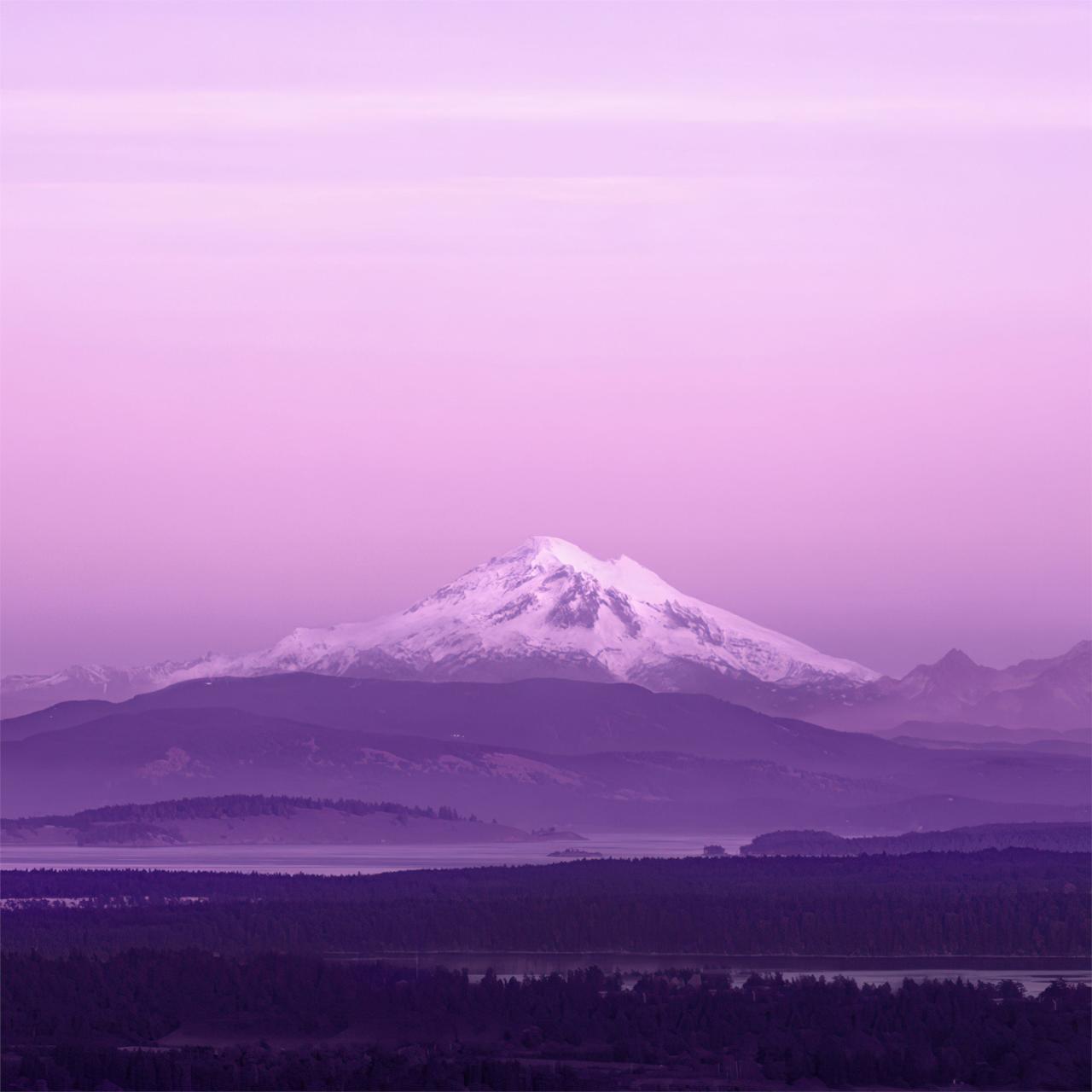
Several trails lead to the summit of Mount Rinjani, each offering a unique experience. The most popular routes include the Senaru trail, the Sembalun trail, and the Tetebatu trail. Each trail has distinct elevation gains, terrain features, and accessibility. Hikers should research the trails to choose one that aligns with their experience level and desired challenges.
AD PLACEMENT
Permits and Regulations
Hiking Mount Rinjani requires appropriate permits and adherence to regulations. These ensure the preservation of the environment and the safety of hikers. Obtain necessary permits well in advance to avoid potential delays.
Planning Your Rinjani Hike
Preparation Checklist
- Gear: Appropriate hiking boots, layers of clothing, rain gear, and a backpack.
- Supplies: Sunscreen, insect repellent, first-aid kit, water bottles, and snacks.
- Personal Considerations: Physical fitness level, acclimatization plan, and emergency contacts.
Essential Equipment
- Clothing: Moisture-wicking base layers, insulating mid-layers, and waterproof outer layers.
- Footwear: Hiking boots with good ankle support.
- Safety Gear: Headlamp, sunscreen, insect repellent, and a whistle.
Itinerary and Challenges, Mount rinjani hike
A typical Rinjani hike involves multiple days, with varying levels of activity. Expect periods of rest, elevation changes, and potential weather variations. The itinerary should be flexible and accommodate individual needs and challenges.
Travel Arrangements and Accommodation
Numerous accommodations are available near the trailheads, ranging from basic guesthouses to more luxurious options. Consider factors such as proximity to the trailhead, amenities, and price when selecting accommodation.
Accommodation Comparison
| Accommodation | Price | Amenities | Proximity to Trailhead |
|---|---|---|---|
| Guesthouse A | $15-25 | Basic rooms, shared bathrooms | Close |
| Hotel B | $30-50 | Private rooms, hot showers, restaurant | Moderate |
| Homestay C | $10-20 | Local experience, basic amenities | Far |
Hiking the Mount Rinjani Trail
Physical Demands
Mount Rinjani presents significant elevation gain and varied terrain. Hikers must be prepared for challenging climbs and descents. The altitude requires careful consideration and preparation.
Step-by-Step Guide
The hike involves ascending and descending through different stages, each with unique challenges and scenic views. Thorough planning and understanding of each stage will be vital.
Hazards and Safety Precautions
Weather conditions, wildlife encounters, and altitude sickness are potential hazards. Taking precautions and having a plan for emergencies are crucial.
Viewpoints and Scenic Spots
Numerous breathtaking viewpoints along the trail offer stunning vistas of the surrounding landscape. These views will be rewarding for the effort put in.
The Mount Rinjani hike is incredible, offering stunning views. But beyond the strenuous climb, there’s a hidden gem waiting for hikers: the Rinjani Mountain Garden. This fascinating ecosystem, a unique part of the overall Mount Rinjani experience, is well worth a visit for its diverse flora and fauna. Once you’ve explored rinjani mountain garden , you’ll be even more prepared for the challenging but rewarding ascent of Mount Rinjani itself.
Hydration and Nutrition
Maintaining proper hydration and nutrition is essential for sustained energy throughout the hike. A well-planned dietary strategy will help maximize energy levels.
Last Word: Mount Rinjani Hike
Conquering Mount Rinjani is a rewarding experience that transcends physical exertion. It’s a journey of self-discovery, cultural immersion, and breathtaking natural beauty. Remember to respect the environment and local customs, and cherish the memories you make on this incredible adventure.
FAQ Resource
What is the best time to hike Mount Rinjani?
The dry season (April to October) is generally recommended for hiking Mount Rinjani, offering pleasant weather and minimal rainfall. However, the best time ultimately depends on your personal preferences and tolerance for heat.
What are the common permits required for the hike?
Specific permits and regulations for hiking Mount Rinjani can change. Always check the official website or local authorities for the most up-to-date information and required permits.
What are the recommended altitude acclimatization strategies?
Acclimatizing to the altitude is crucial. Spend a day or two at a lower elevation before starting the ascent. Drink plenty of water, avoid strenuous activities, and take it easy.
AD PLACEMENT

Hi, I'm Abuha. I'm a blogger from Indonesia, traveling and adventure to various tourist attractions is my hobby.



 Culinary
 Indonesia
 Malaysia
 Tips
Tips


AD PLACEMENT