AD PLACEMENT
Rinjani Peak An Adventurers Paradise

AD PLACEMENT
Rinjani Peak, a majestic volcano in Indonesia, beckons adventurers and nature enthusiasts alike. Its towering presence dominates the landscape, offering breathtaking views and challenging climbs. From the vibrant ecosystems teeming with life to the rich cultural heritage surrounding the mountain, Rinjani Peak promises an unforgettable experience.
This exploration dives deep into the heart of Rinjani, revealing the diverse climbing routes, trekking trails, and the fascinating wildlife and flora that call this peak home. We’ll also uncover the cultural significance of the mountain for the local communities, and how tourism impacts this unique environment.
Introduction to Mount Rinjani
Mount Rinjani, an active volcano located in the Indonesian island of Lombok, is a significant landmark in the Indonesian archipelago. Its imposing presence commands attention and inspires awe. Known for its challenging climbs and diverse ecosystems, it holds historical and cultural importance for the local communities. The mountain’s geological features contribute to its unique biodiversity, creating a fascinating tapestry of landscapes.
Location and Significance
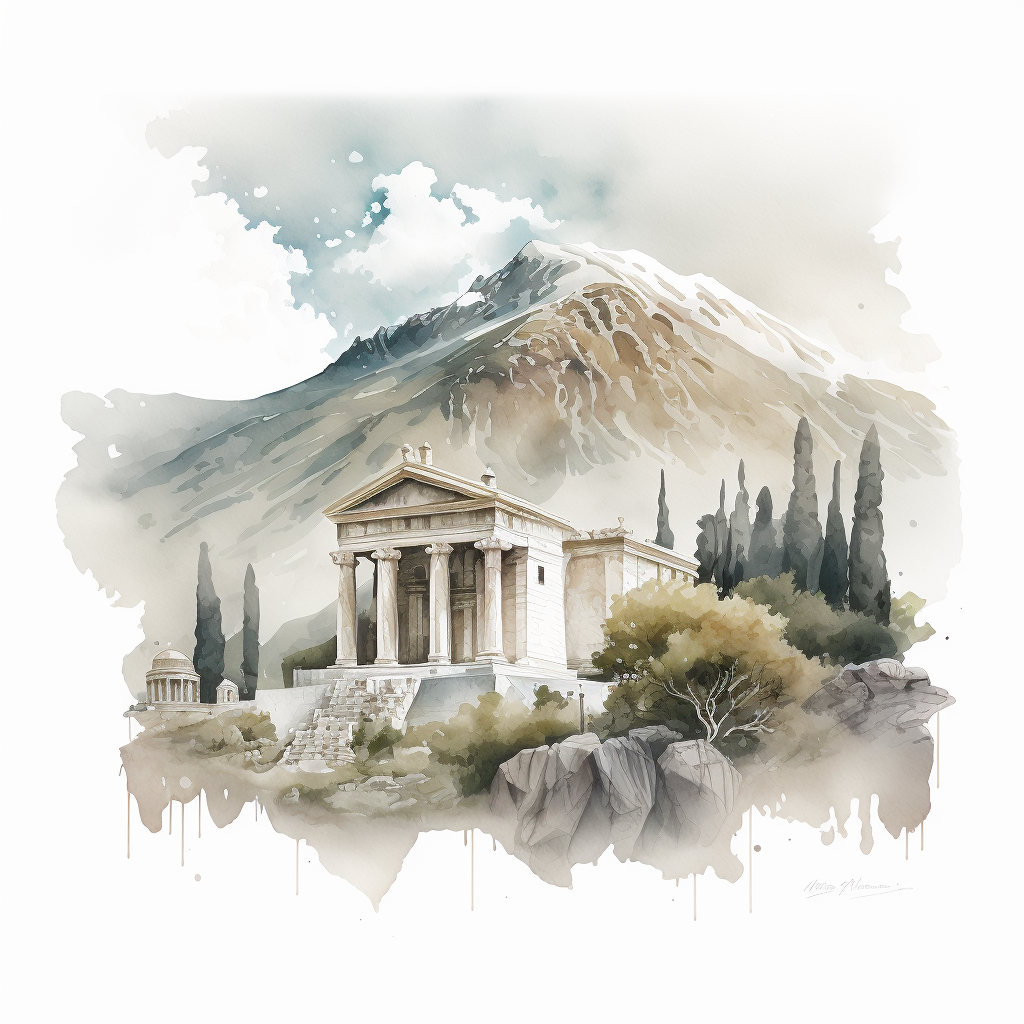
Mount Rinjani is situated in the heart of Lombok, Indonesia, within the West Nusa Tenggara province. Its strategic location in the Indonesian archipelago makes it a popular destination for both local and international visitors. Its significance stems from its cultural and historical ties with the local communities, as well as its role in shaping the region’s ecosystem.
History and Cultural Context
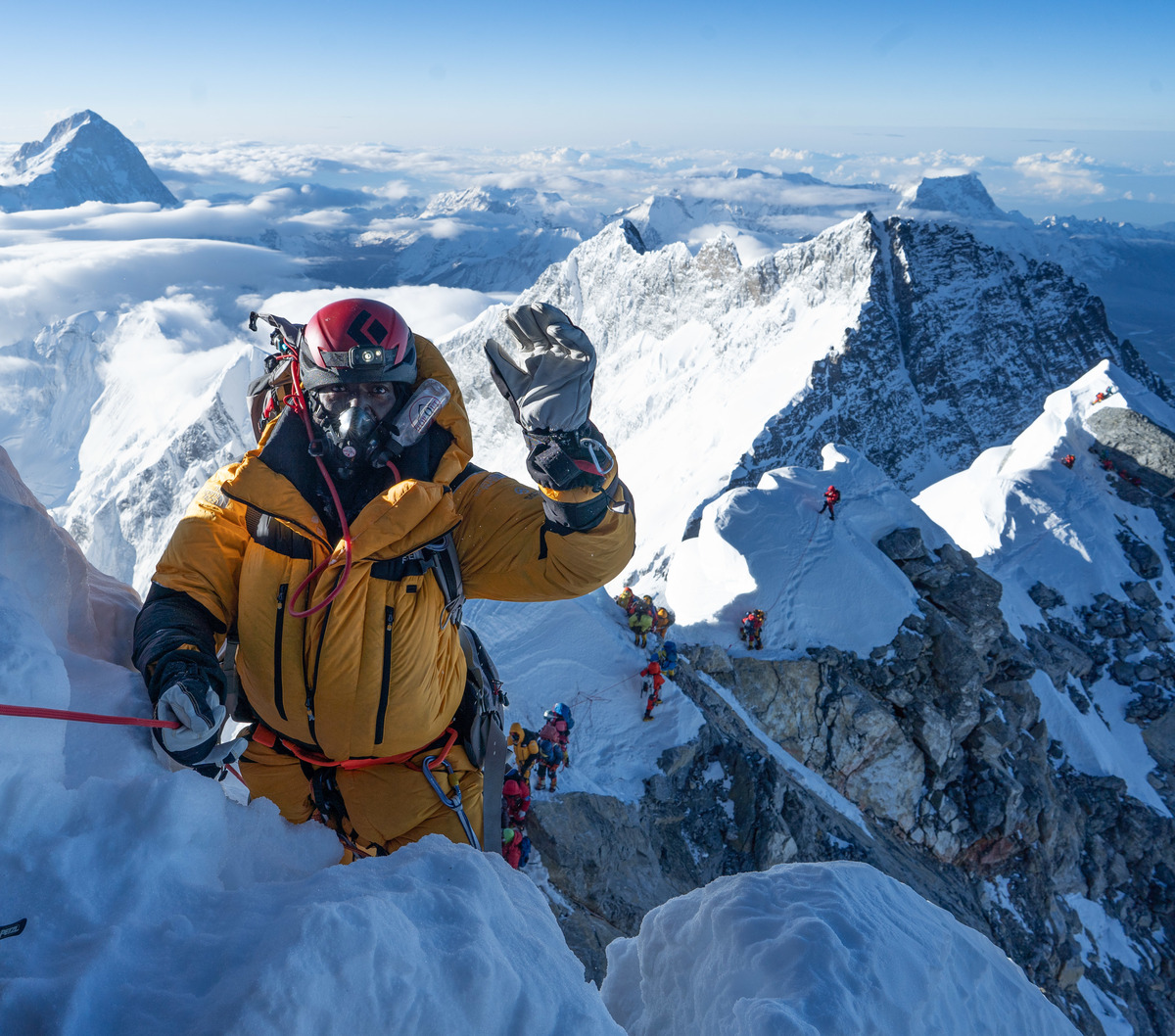
Mount Rinjani holds deep cultural significance for the local communities. Traditional ceremonies and rituals are often performed at the base and summit of the mountain, reflecting the profound respect and reverence they hold for this natural wonder. Local legends and myths are intertwined with the mountain’s history, adding to its rich cultural heritage.
Rinjani peak is an iconic sight, a formidable challenge for hikers. Beyond the challenging climb, there’s a hidden gem nestled within the surrounding landscape: the Rinjani Mountain Garden. This beautiful spot offers breathtaking views and unique flora, perfect for a relaxing break before conquering the peak again. Exploring the Rinjani Mountain Garden is a rewarding addition to any Rinjani peak expedition.
Also Read: Bali Nusa Dua Hotels Your Perfect Paradise
rinjani mountain garden is a must-see for anyone planning a trip to the area. Ultimately, Rinjani peak remains the star of the show.
Geological Characteristics
Mount Rinjani is an active stratovolcano, characterized by its steep slopes and volcanic features. Its formation is a testament to the powerful geological forces at play in the region. The mountain’s geological makeup contributes to the unique biodiversity of the surrounding ecosystems.
AD PLACEMENT
Ecosystems
The diverse ecosystems found on and around Mount Rinjani are a reflection of its varied altitude. From lush tropical rainforests at lower elevations to alpine meadows at higher altitudes, the mountain supports a wide array of plant and animal life. These ecosystems are interconnected and interdependent, contributing to the overall health of the mountain environment.
Climbing Mount Rinjani
Climbing Routes
Mount Rinjani offers several climbing routes, each with varying degrees of difficulty and accessibility. The choice of route depends on individual experience, physical capabilities, and preferences. Understanding the different routes available is crucial for planning a successful ascent.
Difficulty Levels, Rinjani peak
The difficulty of climbing routes on Mount Rinjani varies significantly. Some routes are relatively easier for experienced hikers, while others are more challenging, demanding a higher level of physical fitness and technical expertise. Careful consideration of the difficulty level is essential for a safe and enjoyable experience.
Planning a Climb
Thorough planning is essential for a successful climb. This includes securing necessary permits, gathering appropriate gear, and determining the best time to ascend. Proper preparation minimizes risks and maximizes enjoyment during the climb.
Challenges and Safety Precautions
Climbers should be aware of potential challenges such as unpredictable weather conditions, altitude sickness, and the need for careful navigation. Adhering to safety precautions, such as carrying adequate supplies and seeking guidance from experienced climbers, significantly reduces risks.
Climbing Route Comparison
| Route Name | Difficulty | Duration | Permits Required |
|---|---|---|---|
| Senaru Route | Moderate | 3-4 days | Yes |
| Sembalun Route | Moderate-Difficult | 3-5 days | Yes |
| Tetebatu Route | Difficult | 4-6 days | Yes |
Trekking and Hiking Around Rinjani
Trekking Trails
Besides climbing, various trekking trails around Mount Rinjani offer opportunities for exploration. These trails cater to different experience levels and preferences, allowing visitors to experience the beauty of the surrounding landscapes.
Landscapes and Ecosystems
Source: futurecdn.net
The trekking trails reveal a rich tapestry of landscapes and ecosystems. Visitors can encounter diverse flora and fauna, from lush rainforests to serene alpine meadows, providing an unforgettable experience.
Permits and Regulations
Specific permits and regulations govern trekking activities around Mount Rinjani. Adhering to these guidelines is crucial for maintaining the ecological balance and respecting the environment.
Best Time for Trekking
The ideal time for trekking around Mount Rinjani is during the dry season, typically from April to October. This period offers the most favorable weather conditions for a pleasant and safe trek.
Essential Gear
Essential gear for trekking around Mount Rinjani includes appropriate clothing, sturdy hiking boots, sufficient water supplies, and essential first-aid supplies. Appropriate gear is crucial for a comfortable and safe trek.
End of Discussion: Rinjani Peak
Rinjani Peak stands as a testament to the power of nature and the importance of responsible tourism. Its beauty, diversity, and cultural richness invite visitors to explore and experience its wonders while respecting the delicate balance of its ecosystem. This journey through Rinjani has highlighted the remarkable tapestry of this Indonesian gem, and hopefully inspired your own adventure.
Commonly Asked Questions
What is the best time to climb Rinjani?
The dry season, typically from April to October, is ideal for climbing due to better weather conditions and less rainfall.
What are the most common climbing routes on Rinjani?
The most popular routes are via Sembalun, Senaru, and the more challenging but rewarding route from the East. Check out our detailed guide for a comparison.
What permits are required for climbing or trekking Rinjani?
Specific permits are needed, and the requirements vary based on the chosen route and activity. Our guide Artikels the necessary permits and procedures.
AD PLACEMENT

Hi, I'm Abuha. I'm a blogger from Indonesia, traveling and adventure to various tourist attractions is my hobby.



 Culinary
 Indonesia
 Malaysia
 Tips
Tips


AD PLACEMENT